
Do mini fans use a lot of electricity? | LAMJIE Expert Guide
Do Mini Fans Use a Lot of Electricity? Unveiling the Truth
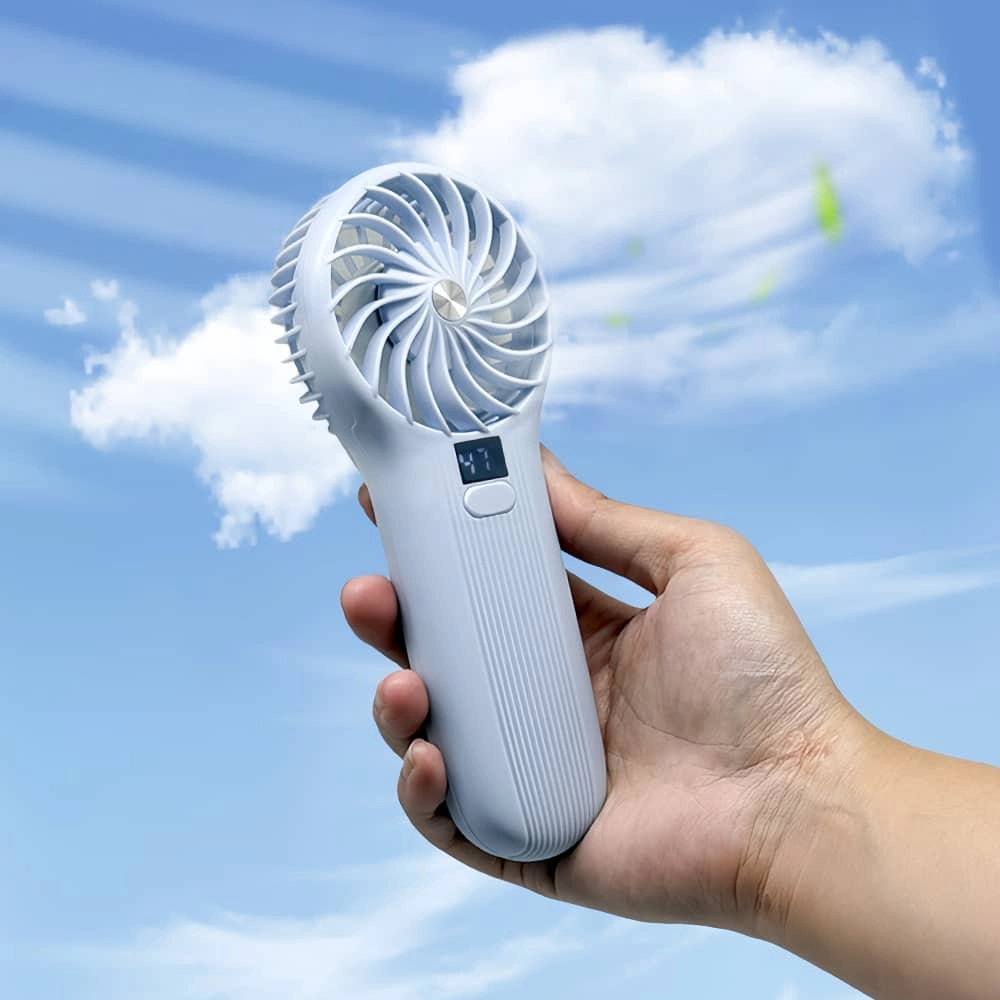
Mini fans, often referred to as desktop or personal fans, are popular for their portability and convenience in homes, offices, and travel settings. But a common concern among users is: do mini fans use a lot of electricity? Based on available data, the answer is generally no. Most mini fans operate at low wattages, typically between 2W and 20W, depending on the model and speed settings. For instance, a small USB-powered fan might use as little as 2.5W, while a slightly larger desktop fan could use up to 20W per hour. According to insights from sources like Eco Energy Geek and Learn Metrics, this translates to a minimal cost of operation, often less than a few cents per hour even at higher wattages, based on average electricity rates (around $0.13 per kWh in the US as of 2023). Therefore, mini fans are an energy-efficient cooling solution compared to air conditioners or larger fans, making them a cost-effective choice for personal use.
1. How Much Does It Cost to Run a Mini Fan Daily?
Cost is a top concern for many users. To calculate the daily cost of running a mini fan, consider its wattage and hours of use. For a 10W mini fan running 8 hours a day, the energy consumption is 0.08 kWh (10W x 8 hours / 1000). At an average electricity rate of $0.13 per kWh, this costs about $0.01 per day. Even for a more powerful 20W fan, the cost remains under $0.03 per day for 8 hours of use. As noted in resources from Morris Direct and Ideal Home, these low costs make mini fans an affordable option, especially for extended use during hot seasons.
2. Are Mini Fans More Energy-Efficient Than Other Cooling Devices?
Yes, mini fans are significantly more energy-efficient than alternatives like air conditioners. According to Renogy and other web sources, a typical window AC unit can consume between 500W to 1500W per hour, while mini fans use just 2W to 20W. This means an AC unit could cost $0.65 to $1.95 per hour to run, compared to a mini fan’s negligible cost. Even compared to larger pedestal or ceiling fans (30W to 100W), mini fans consume less power, making them ideal for small spaces or personal cooling needs without spiking energy bills.
3. What Factors Affect a Mini Fan’s Electricity Usage?
Several factors influence how much electricity a mini fan uses. These include wattage (higher wattage means more power), speed settings (higher speeds consume more energy), and usage duration. Additionally, the fan’s design and motor efficiency play a role—modern brushless DC motors, often found in newer models, are more efficient than traditional motors. As highlighted by Bluetti Power, choosing an energy-efficient model with adjustable settings can further reduce consumption. For procurement, opt for fans with energy star ratings or low-wattage specifications to minimize costs.
4. Is It Safe and Cost-Effective to Leave a Mini Fan Running Overnight?
Many users, as seen on platforms like Quora, worry about the safety and cost of leaving mini fans on overnight, especially during summer. From a cost perspective, even running a 20W fan for 10 hours overnight would only cost about $0.03 at standard rates. Safety-wise, most modern mini fans have built-in overheat protection and are designed for continuous use. However, ensure proper ventilation, avoid blocking air intake, and choose reputable brands with safety certifications to prevent risks. For bulk procurement, checking safety features is crucial for user satisfaction.
5. What Are the 2025 Industry Trends for Desktop Fans and Energy Efficiency?
The desktop fan industry is evolving with a strong focus on energy efficiency and sustainability. According to a 2025 market report from OpenPR, the household fan market is prioritizing eco-friendly practices, with manufacturers adopting energy-efficient motors and sustainable materials. Additionally, smart technology integration, such as app-controlled fans and solar-powered options (as noted in reports from WOKV), is gaining traction. For buyers in 2025, look for desktop fans with low energy consumption (under 20W), smart features for optimized usage, and eco-certifications to align with market trends and reduce operational costs.
Why Choose LAMJIE for Your Desktop Fan Needs?
When it comes to reliable, energy-efficient desktop fans, LAMJIE stands out as a trusted brand. Our mini fans are designed with cutting-edge brushless DC motors to minimize electricity usage, often operating at under 10W even at high speeds. LAMJIE prioritizes safety with overheat protection and durable builds, ensuring worry-free overnight use. Additionally, our commitment to sustainability aligns with 2025 industry trends, offering eco-friendly materials and innovative designs. For bulk procurement, LAMJIE provides cost-effective solutions without compromising on quality, helping businesses and individuals stay cool while keeping energy bills low. Choose LAMJIE for performance, efficiency, and value.
Recommended for you
About Logistics and Distribution
Can I change my shipping address?
Yes, you can contact our customer service team to modify your delivery address before order confirmation to ensure accurate delivery to the specified location.
Does your product support global logistics and distribution?
Yes, our fans support global logistics and distribution services, ensuring you can receive our products anywhere in the world.
About Solution Suggestions
Can I use your fans at home?
Yes, our fans are designed for convenient home use, allowing you to enjoy comfortable cooling while saving time and energy.
After-Sales Service
What should I do if there are problems when using the product?
If you encounter any issues while using the fan, please contact our customer service team promptly. We will provide you with technical support and solutions to address your concerns.
FAQs
Can I order samples for testing?
Yes, sample order is welcome. In addition, if the product you are inquiring about is in stock , we can provide free samples and you only need to pay the shipping cost.
Feel free to reach out to us
We provide OEM/ODM customization services, brand cooperation and bulk purchasing solutions to ensure quick response and tailor an exclusive cooperation plan for you immediately!
Original designs with silent, portable & futuristic features
Email: yvnatao@lamjiefan.com
WhatsApp: +86 198 6663 0301
Copyright © 2025 LAMJIE All Rights Reserved.
 Scan QR Code
Lamjie TechnoLogy
Yvna
lamjietechnology8
playfun.tech